Kawachi Wisteria Garden: Complete 2026 Guide & Ticket Booking
Kawachi Fuji Garden's wisteria tunnels — when to go, how to actually get tickets from Lawson, shuttle bus access from Yahata Station.

Kawachi Fuji Garden is the single most-searched attraction in Kitakyushu — and for good reason. The two wisteria tunnels here, each roughly 80 meters long, have become one of Japan’s most shared travel images. Getting there requires some planning. Getting in during peak bloom requires more planning than most visitors expect. This guide walks through everything, starting with why the tickets are harder than they look.
I visit Kawachi every other spring from my home in Moji-ku. What follows is what I’d tell a visiting friend the week before they go.
Why Kawachi Fuji Garden is famous
The garden entered global consciousness around 2015 when CNN Travel featured it in a roundup of the world’s most beautiful places. The photos spread rapidly, and what was already a well-known local attraction became an internationally recognized destination almost overnight.
What the photos show is real: two tunnel pathways lined with wisteria that, at peak bloom, create a dense canopy of purple, violet, lavender, and white flowers hanging at head height. The garden maintains approximately 150 wisteria plants across 22 varieties — a diversity that staggers the bloom over a week or two rather than hitting all at once, and that produces the multi-toned color mixing you see in the iconic images.
Beyond the tunnels, there are open hillside plantings where the wisteria cascades down slopes, best seen from the upper viewpoints on the garden’s trail. The property is privately owned and has been maintained by the Higuchi family for generations — this is not a municipal park but a carefully curated private garden opened to the public during bloom season.
When to go
Wisteria bloom season: The main event runs from roughly the last week of April through the first week of May. This is a narrow window — the garden is typically open to timed-entry visitors for only 10–20 days per year, and the actual peak (when the tunnels are at full density) lasts just three to five days within that window.
The garden publishes bloom status updates (開花状況, kaikajōkyō) on their official site. Check this in the two weeks before your planned visit. The updates move from “early bloom” to “moderate” to “full bloom” to “past peak” — timing your visit to coincide with “full bloom” or the day before is the goal.
Practical timing within the season: Weekday mornings (opening time is around 08:00) before 10:00 are the least crowded. Golden Week (late April through early May) is Japan’s busiest domestic travel period and coincides exactly with peak wisteria. If you can visit a Tuesday or Wednesday in early May rather than a Saturday during Golden Week, the experience is meaningfully different in terms of crowd density.
Autumn maple season: A lesser-known second season occurs in late November to early December, when the garden reopens for the autumn foliage. Entry is free or at a reduced rate, the crowds are a fraction of spring’s, and the maples on the hillside are genuinely beautiful. It’s not why you travel to Kitakyushu, but if you’re here in late November it’s worth the detour.
The ticket system — this is where every visitor gets stuck
Kawachi Fuji Garden uses a tier-pricing system tied to current bloom intensity:
| Bloom level | Adult ticket | Notes |
|---|---|---|
| Early / partial bloom | ¥500 | Tunnel not at full density |
| Moderate bloom | ¥1,000 | Tunnel about 60–80% coverage |
| Full / peak bloom | ¥1,500 | Classic tunnel photo conditions |
The prices above have been consistent in recent seasons. The garden announces the current price level on their website as bloom conditions develop.
Where to buy: Tickets are sold at Lawson convenience stores via the Loppi terminal machines — the green touchscreen kiosks near the entrance of every Lawson. You navigate the Loppi menu to the event/ticket section, find the Kawachi Fuji Garden entry, select your date and number of visitors, print a slip at the Loppi machine, and pay at the register. The system is in Japanese; having the garden’s name written out (河内藤園) to show to a convenience store staff member helps if you get lost in the menu.
You can also check for tickets via the Lawson ticket website (l-tike.com) before you arrive in Japan — this is easier to navigate in English with a browser.
Same-day tickets: The garden does sell a limited number of tickets at the gate on the day of your visit. During early or late bloom periods this works reasonably well. During peak full-bloom days — especially on weekends during Golden Week — the gate allocation runs out before opening time. Do not plan peak-bloom visits around gate availability.
Getting there from Kokura or Hakata
No parking is available at the garden during bloom season. This is non-negotiable. Driving to Kawachi Fuji Garden during April and May bloom season means you will not be able to enter. The surrounding roads are also restricted during peak periods.
The correct route by public transport:
- Take the JR Kagoshima Line to Yahata Station (八幡駅). From Kokura Station: approximately 15 minutes, ¥250. From Hakata Station: approximately 45 minutes, ¥1,100 (or shinkansen to Kokura then local, about 30 minutes total).
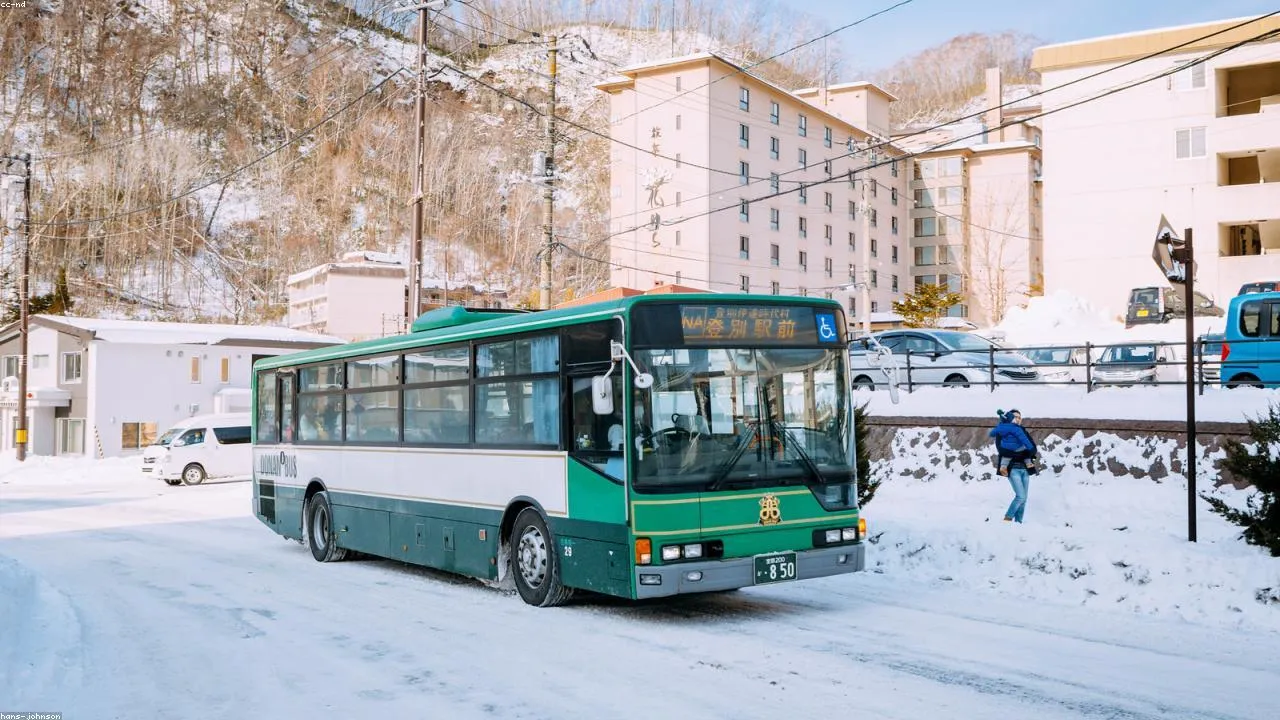
- From the north exit of Yahata Station, board the paid shuttle bus to Kawachi Fuji Garden. The shuttle runs on a fixed schedule during the bloom season, roughly every 15–30 minutes from around 07:30. The fare is typically ¥300–¥400 each way and is paid in cash or with a Japanese IC card (Suica, PASMO, or the Kyushu equivalent nimoca).
- The shuttle drops you at the garden entrance. It runs back to Yahata Station on a similar schedule.
By taxi: If you miss the shuttle or prefer flexibility, a taxi from Kokura Station to the garden costs approximately ¥4,500 and takes 25–30 minutes. Taxis cannot always enter the restricted area during peak bloom — confirm with the driver beforehand. A taxi back may require calling ahead or waiting at the garden’s taxi pickup point.
From Hakata: The most practical route is Hakata → Kokura by shinkansen (16 minutes, ¥1,470 unreserved) then JR Kagoshima Line to Yahata (15 minutes). Total time from Hakata, door to garden: about 90 minutes.
What to actually expect when you visit
The garden uses a one-way flow system through the tunnels during peak season. You cannot linger indefinitely — the staff manage pace and keep visitors moving to prevent bottlenecks. Budget approximately 90 minutes for a full visit: one circuit through both tunnels plus the hillside viewing area.
Queue reality: At peak bloom on a weekend morning, expect a 20–40 minute queue from the entrance to the start of the first tunnel even with a pre-purchased timed ticket. The timed entry system keeps the crowd manageable once you’re inside, but the approach can be crowded.
Photography rules:
- Personal cameras and smartphones: fully welcome
- Tripods: strongly discouraged during peak hours due to crowd flow
- Drones: strictly prohibited — the airspace over the garden is restricted during operation
- Commercial photography: requires prior permission from the garden management
What the photos don’t show: The wisteria scent at peak bloom is extraordinary — a heavy, sweet fragrance that fills the entire tunnel. The flower density also means it’s genuinely dim inside the tunnels even on a bright day. Bring a camera with reasonable low-light capability or adjust your phone settings beforehand.
The experience is not the same every day of bloom season. The three-to-five day window of true peak is when the tunnels reach the density shown in the famous images. A few days before or after peak you’ll see a beautiful garden, but not the photographic peak.
Visit pairings
Kawachi Fuji Garden is in Yahatahigashi-ku, which puts it within easy reach of a couple of worthwhile additions to your day:
Mt. Sarakura (皿倉山): About 20 minutes from Yahata Station by taxi or bus. The summit night view was rated one of the best in Japan and is a completely different type of experience from the garden — cable car up, observation deck, city and industrial lights spreading to the horizon. A logical evening add-on after a morning at Kawachi.
Yahata Station area: The station has standard shopping and dining in the connected Ario mall. Nothing exceptional, but convenient for lunch before or after the garden.
For broader trip planning, see the Kitakyushu Travel Guide. Kawachi pairs naturally with Mojiko Retro for a full-day Kitakyushu itinerary. See also the Things to Do in Kitakyushu roundup for the broader picture.
Photography notes
The most frequently shared image is the view from inside the tunnel looking toward the exit — a circle of light framed by cascading wisteria. To get this cleanly:
- Arrive at opening time (around 08:00) to beat the crowds in the tunnel
- Position yourself low (crouching or sitting) to get the full arch
- Morning light from the east side of the tunnel works better than afternoon in most configurations
- The second tunnel (usually the longer of the two) photographs better because the canopy is denser
The hillside panorama from the upper garden path, looking down over the open wisteria plantings toward the valley, is less photographed but arguably more spectacular for showing scale. This requires a short uphill walk of about 10 minutes.
No-go zones: the garden management has designated areas where stopping for extended photography is not permitted during peak times — follow the staff guidance. The owner is protective of the garden’s image and reputation; don’t shoot over fences or from restricted areas.
Off-season visits
Outside of the April–May bloom window and the November–December autumn season, the garden is closed to the public. There is no walk-in free access outside these windows — the property is private and gated year-round.
During the autumn maple season, entry is typically free (occasionally a small fee of ¥100–¥300 is charged — check the official site before going). The crowds are minimal, the atmosphere is peaceful, and the maple colors in late November are genuinely worth the trip if you’re already in the area.
What most visitors get wrong
Renting a car: Driving to Kawachi during bloom season will end with you unable to park or enter. The surrounding roads are managed by traffic control during the peak period. Use the shuttle bus from Yahata.
Expecting to walk in same-day at peak bloom: The gate allocation for same-day tickets at full-bloom peak is small and typically gone before the garden opens. If your visit timing coincides with peak bloom, book via Lawson at least three to five days in advance.
Treating the entire bloom window as equal: Visiting on April 28 and visiting on May 4 in the same year may produce completely different experiences. The peak three-to-five day window is real, and the difference between 40% bloom coverage and 95% coverage is visually enormous. Track the bloom status (開花状況) on the official site and adjust if you can.
Booking a long itinerary around a specific bloom date: The bloom timing shifts by up to a week year-to-year based on spring temperatures. Build flexibility into your schedule if you’re traveling specifically for the wisteria.
I visit Kawachi every other spring — this is what I’d tell a visiting friend. The first time I went, I drove. I never drove again.
— Anastasia, Moji-ku
FAQ
When does Kawachi Fuji Garden bloom?
The wisteria peak bloom typically falls in the last week of April through the first week of May. The exact window shifts by a few days year to year depending on temperatures. The garden posts bloom-status updates on their official site at kawachi-fujien.com.
How do I get tickets to Kawachi Wisteria Garden?
Tickets are sold at Lawson convenience stores via the Loppi terminal machines. Ticket prices vary by bloom intensity: from ¥500 (partial bloom) up to ¥1,500 (full bloom) per adult. Tickets can technically be purchased at the gate on the day, but during peak bloom the garden sells out via Lawson and gate entry is extremely limited or unavailable.
How do I get to Kawachi Fuji Garden from Kokura or Hakata?
Take the JR Kagoshima Line to Yahata Station (about 15 minutes from Kokura, 45 minutes from Hakata). During the bloom season, a paid shuttle bus runs from the north exit of Yahata Station directly to the garden. There is no on-site parking during bloom season — do not attempt to drive. A taxi from Kokura costs approximately ¥4,500.
How much do tickets to Kawachi Wisteria Garden cost?
Tickets use a tier-pricing system based on bloom intensity: ¥500 for partial bloom, ¥1,000 for moderate bloom, and ¥1,500 for peak full bloom per adult. Children's prices are lower. These prices have been consistent in recent years but may change — check the official site for the current year's pricing.
Is photography allowed at Kawachi Fuji Garden?
Personal photography is welcome and strongly encouraged. However, tripods are discouraged in the tunnel areas due to crowds. Drone photography is strictly prohibited. The garden owner (Mr. Higuchi) is particular about how the garden is represented — commercial shoots require prior permission.