18 Best Things to Do in Kitakyushu (2026 Local's Guide)
The 18 places worth your time across Kitakyushu's seven wards — Kokura Castle, Kawachi Wisteria, Mt. Sarakura night view, Mojiko Retro, and the spots locals know.

Kitakyushu sits at the northern tip of Kyushu, bridging the island to Honshu across the narrow Kanmon Strait. It is a city of roughly 900,000 people spread across seven wards — Kokurakita-ku, Kokuraminami-ku, Moji-ku, Tobata-ku, Yahata-ku, Yahatahigashi-ku, and Wakamatsu-ku — each with its own distinct personality. For most of the twentieth century, Kitakyushu was synonymous with steel and heavy industry; the former Yawata Steel Works (now a UNESCO World Heritage Site) defined the city’s skyline and its identity. What that legacy left behind is something few Japanese cities have: genuine texture. The buildings are older, the arcades are grittier, the food culture is proudly local.
This is not Fukuoka. Fukuoka is 16 minutes south by Shinkansen, shinier, more international, and roughly twice the accommodation price. Kitakyushu is what you visit when you want to eat at a standing bar next to a steelworker at 6pm on a Tuesday, or walk under the seabed to Honshu, or stand on a mountain at night watching the industrial lights of the strait glow orange. It has less Instagram polish and more actual Japan.
For travelers arriving from Korea, Busan is about 3 hours away by JetFoil ferry or 12 hours by overnight ferry — Kitakyushu Airport has direct flights from Gimhae. The ferry from Busan via Shimonoseki makes Mojiko Retro the natural first entry point into Japan.
These are the 18 things I’d tell you to do — in rough order of priority for a first visit.
1. Kokura Castle
Ward: Kokurakita-ku | Cost: ¥350 adults (castle keep); ¥560 with garden | Time: 1–2.5 hours
The most-visited single attraction in Kitakyushu, and the right place to start. The keep is a 1959 reconstruction, but the moat, stone walls, and the broader precinct — including the adjacent Japanese garden and active Yasaka Shrine — are the real reasons to come. The sixth-floor observation deck looks west toward Mt. Sarakura and north toward the strait. Cherry blossoms ring the moat in late March to early April; winter illuminations run November through February.
From Kokura Station: 15-minute walk through Riverwalk Kitakyushu (stay dry in rain), or 5 minutes by taxi (¥700). Full details at Kokura Castle visitor guide.
2. Mt. Sarakura Night View
Ward: Yahatahigashi-ku | Cost: Cable car + chair lift ¥1,230 return | Time: 2–3 hours including travel
One of Japan’s officially designated “New Three Great Night Views” — alongside Nagasaki’s Mt. Inasa and Hokkaido’s Mt. Hakodate. The view from the summit (622 m) takes in the Kanmon Strait, the lights of both Kitakyushu and Shimonoseki, the industrial glow from Yahata, and on clear evenings, the Korean Peninsula on the horizon. Arrive 30–45 minutes before sunset to watch the transition.
Access: from Kokura Station, JR to Yahata Station (9 min, ¥200), then bus to the cable car station. Cable car + chair lift combo runs to the summit. Avoid the chair lift if you have a fear of heights — it is genuinely exposed. The cable car alone gets you close enough for the full panorama.
3. Mojiko Retro District
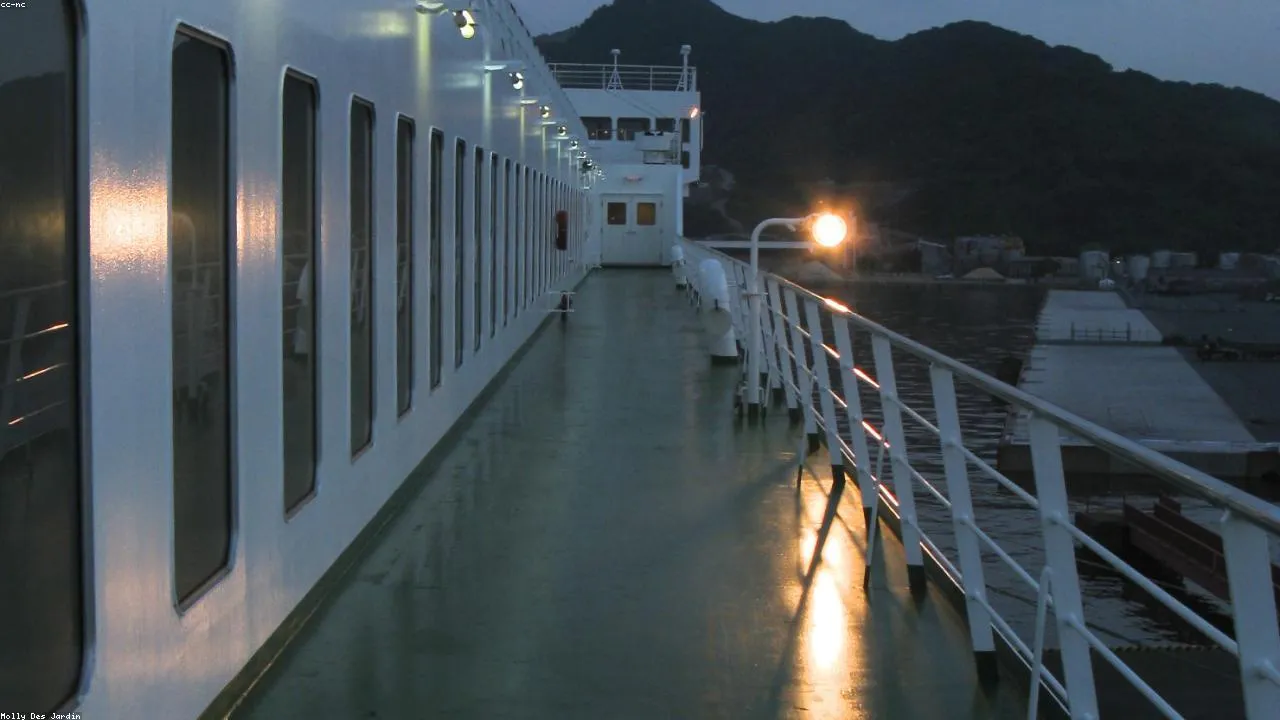
Ward: Moji-ku | Cost: Free to walk; individual attractions ¥100–¥300 | Time: 2–4 hours
Moji-ku was Kyushu’s premier international port in the Meiji and Taisho eras, when it handled coal, iron ore, and goods moving between the continent and Japan. The old customs house, the former Moji Railway Hotel, the harbor canal, and the red-brick warehouses that now host restaurants and shops are remarkably intact. There is nothing staged about this — the buildings are simply still standing because nobody knocked them down.
The waterfront promenade runs between Mojiko Station and the Kanmon Ferry Terminal — about 800 meters. The Mojiko Retro Observation Tower (¥300) gives you a good aerial view of the canal district. The yakitori street behind the station is the best place to eat. Full guide: Mojiko Retro district.
4. Kawachi Fuji Garden
Ward: Yahatahigashi-ku | Cost: Seasonal entry ¥1,500–¥2,000 | Time: 1.5–2 hours
Seasonal caveat: This is a one-trick venue. The wisteria bloom peaks in late April to early May. Outside that 2–3-week window, the garden is either closed or not worth the entry fee. Do not visit in summer expecting “pretty flowers” — you will be disappointed. During the bloom, however, the wisteria tunnels — some up to 110 meters long — are among the most photographed natural sights in Japan.
From Kokura Station: direct seasonal buses run during bloom season (about 40 min each way). The garden gets very crowded on weekends; weekday mornings before 10:00 are significantly quieter. Full visitor guide: Kawachi Wisteria Garden.
5. Tanga Market
Ward: Kokurakita-ku | Cost: Free to enter; budget ¥800–¥1,500 for food | Time: 1–1.5 hours

Tanga Market (旦過市場) is Kokura’s covered food market, operating in roughly the same location since the early 1900s. A large section burned in 2022 and underwent rebuilding — the rebuilt stalls are somewhat fresher but the older, darker end of the arcade retains the covered market atmosphere that makes it worth visiting. Come for breakfast or early lunch: local tofu fresh from the shop, yakikare (curry rice on a sizzling iron plate — Kokura’s signature dish), and the general cheerful chaos of a working market. From Kokura Station, 10 minutes on foot.
6. Kanmon Strait Pedestrian Tunnel
Ward: Moji-ku | Cost: Free | Time: 30–45 minutes
Under the Kanmon Strait, 780 meters of pedestrian tunnel connects Kyushu (Moji-ku side) to Honshu (Shimonoseki side). The deepest point is 55 meters below sea level. Walking the tunnel is free for pedestrians — cyclists pay ¥20. The experience is quieter than you’d expect and genuinely strange: you cross from one island of Japan to another by strolling through a lit white tube under the seabed. The midpoint is marked by the Fukuoka/Yamaguchi prefectural boundary, and many visitors photograph themselves straddling the line.
Access from Mojiko Station: 10-minute walk to the Moji-side entrance. Exit on the Shimonoseki side into a park, then walk back through for the return (or take the ferry back — ¥100, 5 minutes).
7. TOTO Museum
Ward: Kokurakita-ku | Cost: Free | Time: 45 minutes–1.5 hours
TOTO — the sanitary-ware company — was founded in Kitakyushu in 1917, and their corporate museum is a genuinely well-executed free attraction. The exhibition traces the history of Japanese bathroom technology from prewar handmade ceramics to contemporary washlet culture, with enough humor and industrial design to hold attention well beyond novelty value. The building itself is a sleek Kengo Kuma-adjacent design, and the gift shop sells TOTO-branded goods that make excellent slightly absurdist souvenirs.
From Kokura Station: 15 minutes by Kitakyushu Monorail to Kikugaoka Station, then 5-minute walk. Open Tuesday–Sunday 10:00–17:00. Korean-language exhibits available in some sections.
8. Heiwa-dori Arcade
Ward: Kokurakita-ku | Cost: Free | Time: 30–60 minutes
Heiwa-dori is Kokura’s long covered shopping arcade — one of the largest in Kyushu at about 700 meters. The anchor stores are mid-range Japanese chains, but the interesting stretch is the older section closer to Kokura Station, where you’ll find the kakuuchi standing sake bars, cheaper ramen joints, and the occasional record shop that hasn’t changed since 1988. This is the correct answer for a rainy afternoon between Kokura Station and the castle. From Kokura Station: 5-minute walk.
9. Riverwalk Kitakyushu
Ward: Kokurakita-ku | Cost: Free to enter | Time: 45 minutes–2 hours
Riverwalk is a large shopping and dining complex on the Murasaki River, the covered walking route between Kokura Station and the castle. It’s not particularly interesting as a shopping destination but it has two genuine uses: rainy-day coverage on the way to and from Kokura Castle, and a solid selection of lunch restaurants on the upper floors (the udon and set-meal spots around floors 5–6 are good value). The riverside terrace in warm weather is pleasant. From Kokura Station: 7-minute walk.
10. Hiraodai Karst Plateau
Ward: Kokuraminami-ku | Cost: Free (karst plateau); ¥500–¥1,000 for cave entry | Time: 2–4 hours
One of Japan’s three largest karst landscapes, Hiraodai is a plateau of rolling green hills dotted with white limestone outcrops (called “sheep rocks” locally) covering about 55 square kilometers. The landscape is unlike anything else in Kyushu — on an overcast day it feels closer to Yorkshire than Japan. Several karst caves run beneath the plateau; Senbutsu Cave is the most accessible. Spring burns (controlled grassland fires in late February to early March) turn the plateau briefly black before fresh green emerges.
Getting there without a car is possible but inconvenient — bus from Kokura Station to Hiraodai takes about 40 minutes, with limited frequency. This is the one attraction in Kitakyushu where a rental car or taxi genuinely improves the experience.
11. Mojiko Sightseeing Train “Shiokaze”
Ward: Moji-ku | Cost: ¥300 per ride | Time: 25 minutes per run
A restored vintage diesel train running on weekends and public holidays from approximately March through November between Mojiko Station and Moji Station, following the old port railway line. The carriages are lovingly maintained 1950s-era rolling stock. It’s a short ride — the loop is 25 minutes — and it’s unambiguously a tourist product, but it’s a well-done one, and the harbor views from the elevated section are good. Check the Moji Tourism Board website for current schedules; it does not run every weekend.
12. Yasaka Shrine and Kokura Castle Garden
Ward: Kokurakita-ku | Cost: Garden ¥350; Shrine free | Time: 45–60 minutes
These two are best visited as an extension of Kokura Castle rather than stand-alone trips. The Yasaka Shrine occupies the northwest corner of the castle precinct — it’s an active shrine, frequented for weddings and the Gion Taiko drum festival each July. The Kokura Castle Garden on the east side is a reconstruction of an Edo-period samurai residence with a stroll garden; the tatami corridor views back toward the castle keep across the pond are the best interior architecture photograph in Kitakyushu. Tea service in the tatami room (¥500, cash only) is small and deliberate. Both are within the castle grounds area.
13. Kakuuchi Standing Bars in Kokura
Ward: Kokurakita-ku | Cost: ¥200–¥400 per glass of sake | Time: 1–2 hours
Kakuuchi (角打ち) is a style of drinking bar unique to northern Kyushu — specifically to the Kitakyushu area — where customers buy sake or shochu directly from a liquor shop and drink it standing at a counter in the shop’s corner (kaku = corner). The tradition dates from the industrial era, when steelworkers and dock laborers stopped in on the way home. The most concentrated cluster is in Tanga Market and the Heiwa-dori arcade area. Prices are genuinely low (¥200–¥400 per glass), the atmosphere is convivial and entirely local, and it requires no reservations. Some older shops are cash-only.
14. Space World Tropical Beach
Ward: Wakamatsu-ku | Season: Summer only (July–August) | Cost: Entry ¥3,000–¥4,000
Space World — Kitakyushu’s former major theme park — closed in 2017 and the site has since been redeveloped. The current occupant includes a seasonal indoor beach facility (artificial wave pool and sand). It is a decent summer-specific option for families and beach-seekers when Kyushu’s humidity peaks, but it is not a must-do for most visitors. Worth knowing as a summer fallback. Check current operating details before visiting as the facilities at this site have continued to evolve.
15. Wakamatsu Kashii House
Ward: Wakamatsu-ku | Cost: ¥200 | Time: 45 minutes
A preserved early-Showa-era merchant’s residence in Wakamatsu, now operated as a small local history museum. The house itself is the point: wooden interiors, period furniture, a garden that feels neither restored nor neglected. It is understated and largely unknown to visitors outside Kitakyushu. The surrounding Wakamatsu area — once one of Japan’s busiest coal-handling ports — has more quiet industrial-heritage atmosphere per square meter than anywhere else in the city. From Wakamatsu Station: 10-minute walk.
16. Kanmon Strait Views from Mojiko Retro Observation Tower
Ward: Moji-ku | Cost: ¥300 | Time: 20 minutes
The Mojiko Retro Observation Tower is a 103-meter structure in the harbor district with a glass-floored observation deck. The main draw is the view straight down the Kanmon Strait — you can watch container ships, tankers, and passenger ferries threading the 600-meter-wide channel below. At night, the Kanmon illumination (colored light displays projected on historic buildings along both the Moji and Shimonoseki waterfronts) runs seasonally. The tower is a short walk from Mojiko Station, and pairing it with a walk through the Retro district costs little extra time.
17. Kawaragake (Former Coal Mine, Kameyama Area)
Ward: Yahatahigashi-ku | Cost: Free (exterior); small fee for guided tours when available | Time: 1 hour
For the industrial-heritage-curious visitor, the former coal mine infrastructure in the Kameyama/Kawaragake area of Yahatahigashi offers unrestored glimpses of Kitakyushu’s pre-steel industrial history. This is not a polished heritage site — it’s more interesting for that reason. The visible remains include old conveyor structures and mine-era buildings in various states of preservation. Best visited with the Yawata Steel Works ruins in mind as a thematic pair. Not suitable as a standalone attraction for casual tourists.
18. Kokura Sumiyoshi Night Market (Summer Weekends)
Ward: Kokurakita-ku | Season: Summer weekends (July–August) | Cost: Free entry | Time: 1–2 hours
The Sumiyoshi area night market runs on summer weekend evenings — a local event rather than a tourist product. Food stalls, local performers, cold beer, and the specific atmosphere of a Kyushu summer night. The scale is modest compared to major Fukuoka festivals, but the crowd is entirely local and the food quality at the better yakitori and kushikatsu stalls is high. Exact dates vary each year — check with Kokura Station tourist information in July.
Suggested Itineraries
One day: Start at Kokura Castle (#1) in the morning — allow 1.5 hours including the garden. Walk to Tanga Market (#5) for lunch (30 min walk or 5 min taxi). Take JR to Yahata Station and cable car to Mt. Sarakura (#2) for the sunset and night view. Return to Kokura Station for dinner.
Two days: Add Mojiko Retro (#3) as a half-day on day 2 — take JR from Kokura to Mojiko (15 min), walk the district and the Kanmon Pedestrian Tunnel (#6), then return. If late April or early May, substitute or add Kawachi Wisteria Garden (#4) as a morning trip. Day 1 evening: kakuuchi standing bar (#13) near Tanga Market.
Three days: Full breadth — Hiraodai Karst Plateau (#10) on day 3 requires the most travel time. TOTO Museum (#7) and Heiwa-dori (#8) fit naturally into Kokura mornings. For a complete route with accommodation recommendations and meal planning, see the Kitakyushu Travel Guide.
What to Skip (Honest Assessment)
The Atomic Bomb Target Memorial Park (Nishikoura): Kitakyushu was the primary target for the August 9 atomic bomb before cloud cover redirected the mission to Nagasaki. The memorial park is small and the story is better told inside Kokura Castle’s third-floor exhibition. Worth a visit only if you’re specifically researching this history.
The Space World site as a destination: The former theme park site has been partially redeveloped but lacks coherent visitor experience year-round. The summer beach facility (item #14) is the only reason to go.
The Yawata Steel Works Industrial Heritage Tour (without preparation): The UNESCO World Heritage Site designation covers the former Yawata Steel Works infrastructure, but the visitor experience requires advance booking and is genuinely designed for industrial-tourism enthusiasts. Showing up expecting a clear heritage walk will disappoint. Worth doing if you’ve read about it in advance.
Getting Around
Train: JR Kagoshima Main Line connects Kokura, Yahata, and Moji stations. From Kokura, Moji is 15 minutes (¥280) and Yahata is 9 minutes (¥200). JR pass holders travel free on these local sections.
Monorail: The Kitakyushu Monorail (Kitakyushu Monorail Kitakyushu Line) runs from Kokura Station south through Heiwa-dori and Kikugaoka — useful for the TOTO Museum. Single fare ¥200–¥240.
Walking: The Kokura city core (Castle, Tanga Market, Heiwa-dori, Riverwalk) is entirely walkable from Kokura Station within 15–20 minutes.
Luggage storage: Coin lockers at Kokura Station (both sides of the ticket gates) fit up to large suitcases — ¥400–¥700 per locker per day. Fill quickly during Golden Week; arrive early.
Tax-free shopping: Major department stores and some electronics shops near Kokura Station offer tax exemption for tourists with passport and single-purchase totals over ¥5,000 (consumables) or ¥5,000 (general goods). Ask at information desks.
ATMs: 7-Eleven and Japan Post ATMs near Kokura Station accept international cards. AEON and lawson also reliable. Many kakuuchi bars and small market stalls are cash-only.
Updated each spring — if I missed your favorite, message me on the contact page.
FAQ
How many days do I need in Kitakyushu?
Two full days covers the highlights — Kokura Castle, Mt. Sarakura night view, and Mojiko Retro. Three days lets you add Kawachi Wisteria Garden (if in season), Hiraodai Karst Plateau, and Tanga Market without rushing.
What is the best time of year to visit Kitakyushu?
Late March to early April for cherry blossoms at Kokura Castle, and late April to early May for Kawachi Wisteria Garden. Autumn (November) is excellent and less crowded. Summer is hot and humid but the Gion Taiko drum festival in July and the Kanmon Fireworks in August are worth braving the heat.
Do I need a car in Kitakyushu?
For the city core (Kokura, Mojiko, Yahata) you don't need one — JR trains and the Kitakyushu Monorail connect the main spots. Kawachi Wisteria Garden runs seasonal direct buses from Kokura Station. Hiraodai Karst Plateau is the one case where a rental car or taxi genuinely helps.
Is Kitakyushu walkable from Kokura Station?
Kokura Castle, Tanga Market, Heiwa-dori Arcade, Riverwalk, and Yasaka Shrine are all within 15–20 minutes of Kokura Station on foot. Mt. Sarakura requires a cable car and is not walkable from the station.
How does Kitakyushu compare to Fukuoka?
Fukuoka is more polished, more international, and more expensive. Kitakyushu has rougher edges and is about 70% cheaper for accommodation. The food culture is different — Kokura has kakuuchi standing bars and yakikare (curry rice on an iron plate); Fukuoka is known for ramen and motsunabe. They are 16 minutes apart by Shinkansen, so a Fukuoka-base with a Kitakyushu day trip is practical.